- Created By flooring1
The Importance of Choosing Durable and Sustainable Cabinet Materials
When it comes to kitchen design, selecting the right cabinet materials is essential for ensuring long-lasting beauty, functionality, and sustainability. Kitchen cabinets are a significant investment, and making informed choices about the materials used can drastically affect the look, feel, and performance of your kitchen.
In today’s world, durability and sustainability are more important than ever, not only for creating a functional space but also for reducing environmental impact. This guide will explore the importance of choosing durable and sustainable cabinet materials and how to make the right decisions for both your kitchen’s aesthetic and the planet.
1. Durability: Why It Matters for Your Cabinets
Durability is one of the most important factors to consider when selecting cabinet materials. Kitchen cabinets are used frequently and must withstand daily wear and tear, from cooking spills to heavy usage. Choosing materials that can stand the test of time will help ensure that your cabinets remain functional and beautiful for many years.
Some key points on durability in cabinet materials include:
Resistant to Damage: Cabinets should be resistant to dents, scratches, and moisture. Material options like solid wood, MDF, and plywood are great for withstanding the stress that comes with frequent use.
Longevity: Durable materials last longer, reducing the need for frequent replacements and repairs, which is both cost-effective and environmentally friendly.
Resilience to Humidity and Heat: Kitchen areas are often exposed to moisture, heat, and humidity, so it’s essential to choose materials that withstand these elements without warping, peeling, or losing their finish. Plywood and MDF are moisture-resistant and less likely to warp compared to particleboard.
For kitchen cabinets that can handle daily activity while staying functional and looking pristine, it’s essential to choose durable materials for long-term use.
2. Sustainable Materials for an Eco-Friendly Kitchen
As sustainability becomes an increasing priority, the materials used in kitchen cabinetry play an important role in reducing your environmental footprint. Choosing sustainable materials not only benefits the planet but also enhances your kitchen’s overall value and appeal.
Here are some sustainable options to consider when choosing cabinet materials:
Recycled Wood: Cabinets made from recycled wood or reclaimed wood help reduce the demand for new resources and minimize waste. They offer a unique look while being eco-friendly.
Certified Wood Products: Look for materials that have been certified by organizations like the Forest Stewardship Council (FSC). FSC-certified wood ensures that the wood used in your cabinets comes from well-managed forests that prioritize sustainability.
Low-VOC Finishes and Paints: Volatile Organic Compounds (VOCs) are chemicals found in many finishes and paints that can harm the environment and contribute to indoor air pollution. Opt for low-VOC or zero-VOC finishes to reduce your environmental impact.
Bamboo: A fast-growing, renewable resource, bamboo is becoming an increasingly popular choice for cabinetry due to its sustainability. It is highly durable and resistant to wear while also being eco-friendly.
At FMD Cabinets, we prioritize using sustainable materials in our cabinetry to help homeowners create eco-conscious kitchens without compromising on quality or style.
3. Material Options for Durability and Sustainability
The choice of material plays a major role in both the durability and sustainability of your cabinets. Different materials offer varying levels of resistance, longevity, and environmental impact. Here’s a breakdown of some popular materials for kitchen cabinets:
Solid Wood Cabinets:
Durability: Solid wood is known for its exceptional strength and natural beauty. It resists wear and tear, making it an ideal option for high-traffic areas like kitchens.
Sustainability: Wood can be a sustainable material if sourced from certified forests or reclaimed sources. However, it can be costly.
MDF (Medium Density Fiberboard):
Durability: MDF is a strong and dense material, often used in cabinets for its smooth surface. While it’s not as resistant to moisture as solid wood, it holds up well under normal conditions.
Sustainability: MDF can be made from recycled wood fibers and low-VOC resins, making it an eco-friendly option.
Plywood:
Durability: Plywood offers excellent strength, resistance to moisture, and high durability. It’s often used as a base material for cabinetry because of its long-lasting properties.
Sustainability: Plywood can be an eco-friendly option when sourced from certified sustainable forests.
Laminate:
Durability: Laminate cabinets are highly durable and resistant to scratches, stains, and moisture. They are a low-maintenance option but might not be as long-lasting as solid wood.
Sustainability: Laminate is typically not as eco-friendly as other materials, as it often contains synthetic chemicals. However, eco-friendly laminates are now available.
Bamboo:
Durability: Bamboo is incredibly strong, lightweight, and resilient to damage. It’s also highly resistant to moisture.
Sustainability: Bamboo grows incredibly fast, making it a highly renewable resource. It’s a top choice for eco-conscious homeowners.
Choosing durable and sustainable materials for your kitchen cabinets can create a space that is both functional and environmentally friendly, ensuring that your kitchen stands the test of time while also contributing to a healthier planet.
4. How Durable Cabinet Materials Save You Money in the Long Run
Choosing durable and sustainable cabinet materials not only benefits the environment and your kitchen’s aesthetic but also helps save money in the long run. Here’s why:
Lower Maintenance Costs: Durable materials, such as solid wood and plywood, require less frequent maintenance or repairs, which means fewer additional costs over time.
Longevity: High-quality, durable cabinets will last longer, meaning you won’t need to replace or refurbish them as often. This is a long-term investment that pays off.
Resale Value: Kitchens with high-quality materials like solid wood or sustainably sourced options can increase the resale value of your home, making it a worthwhile investment when you’re thinking about the future.
By choosing durable and sustainable materials for your kitchen cabinets, you’re making a smart financial decision that can provide you with long-lasting value and reduce your environmental impact.
5. Final Thoughts
When remodeling your kitchen, choosing durable and sustainable cabinet materials is crucial for both the functionality and aesthetic of your space. Sustainable materials not only minimize environmental impact but also ensure that your cabinets last longer and stay beautiful over time. Whether you choose solid wood, MDF, plywood, bamboo, or laminate, each material has unique advantages that contribute to the overall success of your kitchen design.
At FMD Cabinets, we are committed to offering high-quality and eco-friendly cabinetry solutions that meet your needs for both durability and sustainability. For expert guidance and the best cabinet material options for your kitchen, schedule a Free Consultation with our team today, and let us help you create the kitchen of your dreams.
Creating a Cozy Pet Nook: Maximizing Small Spaces with Compact Furniture
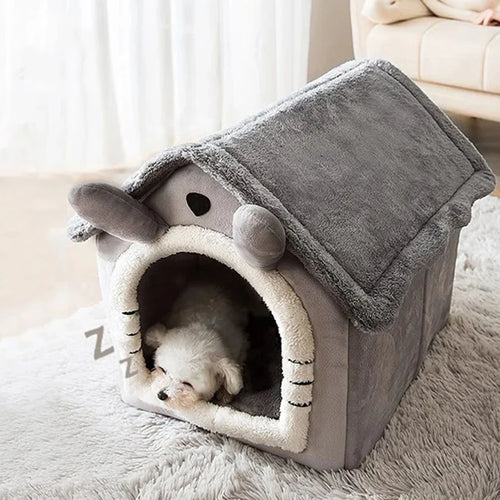
Living in a small apartment or cozy home doesn’t mean your furry friend can’t have a space of their own. With the right pet friendly affordable housing solutions, you can create a comfortable and stylish pet nook that maximizes space while keeping your pet happy. Compact pet furniture is the key to transforming tight corners into cozy retreats for cats, dogs, or even small pets like rabbits. This guide explores practical tips and creative ideas to craft a pet housing nook that blends functionality with charm, perfect for small-space living.
Why a Pet Nook Matters
Pets thrive in environments where they feel secure and comfortable. A dedicated pet nook provides a safe haven for your dog to nap or your cat to perch, reducing stress and promoting well-being. In small spaces, a well-designed nook ensures your pet has a spot without cluttering your living area. Compact pet housing options, like foldable crates or wall-mounted perches, allow you to maintain a tidy home while giving your pet a sense of ownership. Plus, these solutions are often budget-friendly, making pet friendly affordable housing accessible for every pet owner.
Choosing the Right Compact Pet Furniture
When selecting furniture for a pet nook, prioritize versatility and size. Here are some top picks for pet housing that work in small spaces:
Foldable Pet Crates: These are ideal for dogs or cats who need a secure space. Foldable crates can be tucked away when not in use, saving floor space. Look for lightweight, durable materials that are easy to clean.
Wall-Mounted Cat Shelves: Cats love vertical space. Wall-mounted perches or shelves provide climbing opportunities without sacrificing floor area. Opt for sturdy designs with soft padding for comfort.
Multi-Functional Furniture: Consider pet beds that double as storage ottomans or side tables. These pieces blend seamlessly into your decor while serving as cozy pet housing.
Corner Pet Beds: Designed to fit snugly into corners, these beds maximize unused space. They’re perfect for small dogs or cats who love to curl up.
When choosing, ensure the furniture matches your pet’s size and habits. A large dog might need a sturdier crate, while a curious cat will appreciate a perch with a view. Always check for non-toxic materials to keep your pet safe.
Creative Design Ideas for a Pet Nook
Creating a pet nook is about blending style with function. Here are some ideas to inspire your pet friendly affordable housing setup:
Utilize Vertical Space
In small homes, vertical space is your best friend. Install floating shelves for cats to lounge or climb. For dogs, a low-profile crate under a window can double as a cozy lookout spot. Vertical pet housing solutions keep floors clear and add visual interest to your space.
Incorporate Multi-Use Furniture
Choose furniture that serves both you and your pet. A bench with a built-in pet bed or a coffee table with a hidden crate compartment saves space while looking chic. These pieces ensure your pet housing doesn’t compromise your home’s aesthetic.
Add Personal Touches
Make the nook inviting with soft bedding, toys, or a favorite blanket. For cats, add a scratching post nearby to keep them engaged. Personalizing the space makes it feel like home for your pet.
Use Calming Colors
Opt for neutral or soothing colors like soft grays, blues, or creams to create a relaxing vibe. These tones blend well with most home decor and help your pet feel at ease in their nook.
Placement Tips for Maximum Space Efficiency
Where you place your pet nook is just as important as the furniture itself. Here are some tips to optimize your pet housing setup:
Near Natural Light: Pets love basking in sunlight. Place a pet bed or perch near a window to keep them happy without taking up prime floor space.
Underutilized Corners: Corners are often overlooked. A triangular pet bed or a corner-mounted shelf can turn dead space into a functional nook.
Under Furniture: Slide a flat pet bed under a sofa or bed for a discreet pet friendly affordable housing solution. This works well for smaller pets who like to feel hidden.
Avoid High-Traffic Areas: Place the nook in a quiet spot to give your pet peace. Avoid doorways or busy hallways where they might feel disturbed.
Benefits of a Well-Designed Pet Nook
A thoughtfully designed pet nook does more than save space. It reduces clutter by keeping pet supplies in one place, enhances your home’s aesthetic with stylish pet housing, and promotes your pet’s mental health. Compact furniture is often budget-friendly, making pet friendly affordable housing a reality for renters or homeowners on a budget. Plus, a dedicated space can minimize pet hair and messes in other areas of your home.
Maintenance and Cleaning Tips
To keep your pet nook fresh, choose furniture with removable, washable covers. Vacuum or wipe down surfaces regularly to manage pet hair. For crates or shelves, use pet-safe cleaning products to avoid harmful chemicals. Regular maintenance ensures your pet housing stays inviting and hygienic.
Call to Action
Ready to create a cozy pet nook in your small space? Explore the wide range of compact pet friendly affordable housing options at Pet Essential Store. From foldable crates to stylish cat shelves, you’ll find everything you need to craft a perfect retreat for your furry friend. Shop now and transform your home into a pet paradise without sacrificing space or style!
Emergency Vet Care: How to Recognize When Your Pet Needs Immediate Attention
As a pet owner, one of your top priorities is ensuring your furry friend is safe and healthy. While we all hope for smooth sailing, emergencies can arise unexpectedly, and when they do, it’s crucial to know how to act quickly and recognize the signs that your pet requires immediate veterinary attention. In this blog, we will explore the types of situations that warrant emergency vet care, how to recognize the symptoms of a serious issue, and what steps you should take to ensure your pet’s safety and well-being.
What Qualifies as a Pet Emergency?
A pet emergency is any situation in which your pet’s health is at risk and immediate intervention is necessary to prevent further harm. Some emergencies, like a pet being hit by a car, are obvious, but others may be more subtle, such as a sudden change in behavior or signs of internal distress. Recognizing the signs early can make all the difference in saving your pet’s life.
Common Pet Emergencies
Here are some of the most common scenarios in which your pet might need emergency care. Being aware of these can help you quickly determine when it’s time to get your pet to the vet:
1. Difficulty Breathing or Choking
If your pet is struggling to breathe, this is a clear indication that immediate veterinary care is needed. Shortness of breath, excessive panting, or labored breathing can be signs of serious conditions like asthma, heart disease, or choking on a foreign object. Choking, in particular, is a life-threatening emergency that can block your pet’s airway and should be treated immediately by a professional.
If you notice any difficulty breathing or suspect choking, take your pet to the vet right away or seek emergency help. For pets with a cardiological condition, the situation may require critical care and intervention.
2. Seizures
Seizures are another pet emergency that require immediate attention. A seizure can be caused by various underlying issues, including epilepsy, poisoning, or head trauma. If your pet is having a seizure, it is important to keep them safe by removing any hazards from the area, but never attempt to physically restrain them. Once the seizure has stopped, bring them to the vet to determine the underlying cause.
3. Uncontrollable Bleeding
Any uncontrollable bleeding or excessive bleeding from a wound, nosebleed, or internal injury is a serious emergency. Whether from trauma, surgery complications, or an underlying medical condition, excessive bleeding can lead to shock, organ failure, and even death if not addressed immediately.
If your pet is bleeding heavily, apply pressure to the wound (using a clean cloth or gauze) to slow the bleeding and get them to the vet as soon as possible. In some cases, surgery may be required to repair internal injuries or stop bleeding.
4. Vomiting or Diarrhea (Especially with Blood)
Vomiting and diarrhea are common symptoms that may indicate digestive issues, but when they occur together and are persistent or accompanied by blood, they can signal a life-threatening condition such as parvovirus, pancreatitis, or intoxication. If your pet is vomiting or has diarrhea along with a lack of appetite, lethargy, or abdominal pain, take them to the vet immediately.
5. Traumatic Injury
Any situation where your pet has been hit by a car, fallen from a height, or experienced a significant trauma (such as being attacked by another animal) requires urgent veterinary care. Fractures, internal bleeding, and bruising are all common consequences of trauma and may not be immediately apparent. Even if your pet seems okay right after the injury, it’s essential to have them evaluated to rule out internal injuries.
6. Bloating or Swollen Abdomen
Bloating or a visibly swollen abdomen in pets, particularly dogs, could be a sign of a gastric dilatation-volvulus (GDV), commonly known as bloat. This condition is particularly dangerous for large breed dogs and can be fatal if not treated immediately. Symptoms of bloat include restlessness, rapid breathing, drooling, and attempts to vomit without producing anything. GDV requires emergency surgery to relieve the pressure on the stomach.
7. Poisoning or Toxin Ingestion
If you suspect that your pet has ingested something toxic, such as chocolate, certain plants, medications, or chemicals, immediate action is necessary. Poisoning can be life-threatening and requires urgent care. If possible, bring the package or a sample of the substance your pet ingested, as this can help the veterinarian determine the best course of action.
8. Sudden Loss of Mobility
If your pet suddenly becomes unable to move, stand, or walk, it could be a sign of serious conditions like spinal injury, stroke, or hip dysplasia. Immediate medical attention is required to diagnose the issue and begin the appropriate treatment. This condition may require pain management or surgery depending on the cause.
How to Provide First Aid for Pets
Knowing the basics of first aid can be invaluable in an emergency situation. Here are some quick first aid tips to help stabilize your pet while you seek emergency veterinary care:
Breathing difficulties: Keep your pet calm and transport them to the vet as quickly as possible. If they are choking, you can attempt to clear the airway by carefully opening the mouth and looking for an obstruction.
Bleeding: Apply gentle pressure to the wound with a clean cloth or gauze. Keep the pressure on until you can reach your vet.
Seizures: Keep your pet safe during the seizure by moving them away from hazards. After the seizure, don’t touch them and take them immediately to the vet.
Fractures: If you suspect a broken bone, immobilize the area and transport your pet carefully to the vet.
If you’re unsure whether a situation requires emergency care, it’s always best to contact your vet or a 24/7 emergency animal clinic for guidance.
When to Visit the Emergency Vet?
Timing is crucial in a pet emergency. If your pet is experiencing any of the symptoms mentioned above or if you suspect a critical health issue, it’s always better to err on the side of caution and seek immediate veterinary care. Many conditions, such as trauma, poisoning, or bloat, can escalate quickly, so don’t wait for symptoms to worsen.
At Kainer Veterinary Hospital, we are fully equipped to handle emergency situations and provide urgent care for pets in need. Whether it’s a sudden injury, a severe illness, or an unexpected health issue, our team is here to provide timely and professional treatment to your pet.
Final Thoughts
Recognizing when your pet needs emergency care is an essential skill for every pet owner. By learning to spot the signs of distress and knowing how to respond quickly, you can improve your pet’s chances of recovery and help them lead a longer, healthier life. If you ever have any doubts or concerns, don’t hesitate to contact us or call (936) 321‑2000 to ensure your pet gets the attention they need when it matters most.
For emergency vet care or to book an appointment, contact us today. We’re here to help your pets live their best life.
Why Peel & Seal Paper Mailers Are the Best Option for Packaging and Shipping Flyers and Brochure
The Role of Peel & Seal Paper Mailers in Packaging and Shipping Printed Materials
When it comes to shipping flyers, brochures, and other printed materials, packaging plays a crucial role in ensuring that products arrive at their destination safe, secure, and undamaged. Peel & seal paper mailers are a popular packaging choice for businesses looking to ship printed materials in bulk. These mailers are designed to be quick, reliable, and eco-friendly, making them the ideal solution for sending flyers and brochures efficiently.

The self-sealing design of peel & seal paper mailers allows businesses to package and ship printed materials without the need for extra adhesives or moisture, making the process quicker and more streamlined. Whether you're sending marketing materials, brochures, or promotional flyers, these mailers offer the perfect packaging solution for bulk shipments.
Why Peel & Seal Paper Mailers Are the Best Option for Flyers and Brochures
1. Fast and Efficient Packaging
The self-sealing feature of peel & seal paper mailers is one of the key reasons why they are ideal for bulk shipments of printed materials. The easy-to-use sealing mechanism eliminates the need for additional adhesives, tapes, or moisture, allowing businesses to quickly and efficiently package materials for shipment. This makes the packaging process faster, reducing labor time and increasing operational efficiency.
2. Protects Printed Materials During Shipping
Flyers, brochures, and other printed materials are susceptible to bending, creasing, or damage during transport. Peel & seal paper mailers are made from strong, durable paper that helps protect these materials from damage during shipping. Whether you’re shipping a small batch of brochures or a large stack of flyers, these mailers keep your products flat, clean, and secure, ensuring they arrive in perfect condition.
3. Eco-Friendly and Sustainable Shipping Solution
As businesses continue to prioritize sustainability, peel & seal paper mailers provide an eco-friendly packaging solution. Made from recyclable materials, these mailers are a sustainable alternative to plastic mailing envelopes. By choosing paper mailers, businesses can reduce their carbon footprint and contribute to more sustainable packaging practices while still providing effective protection for printed materials.
4. Cost-Effective Bulk Packaging
For businesses that regularly ship flyers and brochures in bulk, peel & seal paper mailers offer a cost-effective solution. These mailers are available in bulk, helping businesses save on packaging materials. The lightweight design of these mailers also helps reduce shipping costs, making them an affordable and practical choice for businesses involved in bulk mailing.
Product Options Available from Midvale Paper Box Company
Midvale Paper Box Company offers a range of peel & seal paper mailers that are perfect for businesses involved in shipping printed materials such as flyers and brochures. These mailers are designed to protect materials while offering a fast and efficient way to package and ship bulk orders.
Available products include:
Peel & Seal Paper Mailers – 9 x 11.5 (Pack of 25)
Peel & Seal Paper Mailers – 10 x 13 (Pack of 25)
Peel & Seal Paper Mailers – 6 x 9 (Pack of 25)
Conclusion
Midvale Paper Box Company provides high-quality peel & seal paper mailers that are ideal for businesses shipping flyers, brochures, and other printed materials in bulk. With their eco-friendly design, self-sealing feature, and cost-effective pricing, these mailers offer the perfect solution for businesses looking to improve their packaging and shipping process. Whether you’re sending marketing materials, stationery, or promotional items, peel & seal paper mailers provide a secure, reliable, and sustainable option.
How to Prevent Water Damage on Your Floors: Best Practices for Homeowners
Water damage is one of the most common and damaging issues homeowners face, and when it comes to flooring, the consequences can be costly. Whether you have hardwood, laminate, tile, or carpet, moisture can weaken the material, leading to warping, staining, or mold growth. But don’t worry there are several steps you can take to prevent water damage and keep your floors in top condition.
In this article, we’ll explore the best practices for homeowners to prevent water damage on floors, focusing on moisture-resistant flooring options and proper floor maintenance techniques that help safeguard your investment.
Why Is Preventing Water Damage So Important?
Water damage can cause more than just an aesthetic issue; it can lead to structural problems, such as swelling, molding, and rotting of your flooring material. The longer the moisture remains on your floors, the more damage it causes. If not addressed promptly, this can lead to expensive repairs or the need for full floor replacement.
In addition, water damage may lead to health concerns, such as mold and mildew growth, which can affect indoor air quality and your family’s health. Preventing water damage on your floors can help you avoid these problems while extending the life of your flooring.
Best Practices for Preventing Water Damage on Floors
Use Waterproof or Water-Resistant Flooring
One of the most effective ways to prevent water damage on floors is to choose waterproof flooring materials for areas prone to moisture, such as kitchens, bathrooms, and basements. Waterproof laminate, luxury vinyl plank (LVP), and engineered hardwood are excellent options for moisture-prone areas.
Waterproof laminate flooring is designed to resist moisture penetration, which means spills, rain, or humidity won’t cause swelling or warping. Similarly, LVP flooring is highly water-resistant and offers wood or tile looks without the associated maintenance issues.
For bathrooms or basements, waterproof vinyl flooring or porcelain tile are great options that won’t absorb moisture. Engineered hardwood is also a smart choice for areas with fluctuating moisture levels, as it’s more stable than traditional solid hardwood.
Address Leaks and Spills Immediately
Even if you have moisture-resistant flooring, water spills can still damage your floors if left unchecked. The key to preventing water damage on floors is to act quickly. Always clean up spills as soon as they occur, and pay special attention to high-risk areas, such as near sinks, dishwashers, or toilets.
Keep a towel or mop handy in high-moisture zones to ensure you can quickly address any water spills that may occur. If the spill is significant, such as a large puddle of water, dry the area immediately with a wet/dry vacuum or fans to help prevent any moisture from seeping into the flooring.
Control Humidity Levels in Your Home
Maintaining a stable level of humidity in your home can prevent water damage caused by excess moisture in the air. High humidity can lead to issues like wood floors warping and mildew growth. On the other hand, extremely dry air can cause cracking in wood-based floors.
Use a humidifier in the winter months to prevent floors from drying out. In the summer, use a dehumidifier to reduce excess moisture in the air, especially in rooms like basements, laundry rooms, or areas with poor ventilation. Controlling humidity is one of the most effective ways to prevent water damage on your floors in the long run.
Install Proper Drainage Around the Home
If you have areas around your home that are prone to flooding, such as a basement or crawl space, it’s important to ensure that water can drain away from the foundation. Installing proper drainage systems, including French drains or sump pumps, can help redirect water away from your home, keeping the floors dry.
If your basement is prone to flooding, consider adding a dehumidifier or investing in waterproof flooring like waterproof laminate flooring to further safeguard the area.
Use Rugs and Mats in High-Risk Areas
In high-traffic areas or spaces prone to spills, like entryways, consider placing rugs or mats to help catch moisture and prevent it from getting onto your floors. Mats placed at entry points will help catch dirt, debris, and water before it enters the home. You can also place water-resistant mats in bathrooms or kitchens to absorb moisture and keep it from reaching the floor.
Seal Your Floors Regularly
If your floors are not waterproof, but you still want to protect them from moisture, consider sealing your floors periodically. Wood floors, especially solid hardwood, can benefit from a waterproof sealant that protects them from spills and moisture. Similarly, sealing grout in tile floors can help prevent water from seeping into the joints and causing mold or stains.
Ask your flooring provider for the best sealant for your type of flooring, and make it part of your floor maintenance routine.
Install Floor Protection Products
To further protect your floors, use floor protectors like felt pads or coasters under furniture legs to avoid scratches or scuff marks. In moisture-prone areas, you can also use waterproof floor mats under appliances, like refrigerators and dishwashers, to prevent water from leaking onto the floors.
When to Call a Professional
If you notice signs of water damage, such as water stains, discoloration, or warping, it’s crucial to call a professional right away. Early intervention can help prevent further damage to your floors and avoid expensive repairs. A professional can assess the extent of the damage and recommend the best course of action, including floor repairs or replacement.
Conclusion: Protect Your Floors with Preventive Measures
Water damage is one of the most common and costly issues homeowners face, but with the right prevention strategies, you can protect your floors and extend their lifespan. By choosing water-resistant flooring, addressing leaks and spills immediately, controlling humidity, and ensuring proper drainage, you can safeguard your floors from moisture-related damage. With these floor maintenance tips, your floors will continue to enhance the look and value of your home for years to come.
Why Choose Flooring Outlet & More for Your LVP Flooring Needs
At Flooring Outlet & More, we offer a variety of waterproof flooring options, including water-resistant laminate and vinyl plank flooring, to help homeowners protect their floors from water damage. Our team can guide you in choosing the best flooring for your high-moisture areas.
Visit Flooring Outlet & More to explore our range of waterproof flooring options and start protecting your floors today!