- Created By flooring1
Budget-Friendly Filter Rentals for Indie Filmmakers: Elevate Your Production Value
Indie filmmaking is all about creativity on a budget, and achieving a cinematic look doesn’t have to break the bank. With filter rental services like those offered by Scheimpflug in NYC, you can access high-quality lens filters to enhance your visuals without the hefty price tag of buying them outright. From softening skin tones to creating dreamy highlights, filters are a game-changer for elevating production value. This guide explores how filter rentals can transform your indie project, offering practical tips and budget-friendly strategies to make your film stand out.

Why Filters Matter for Indie Filmmakers
Filters are the unsung heroes of cinematography. A well-chosen lens filter can add depth, mood, and professionalism to your shots, turning a simple scene into a visual masterpiece. Whether you’re aiming for a vintage glow or a crisp, modern look, filter rentals provide access to tools like the Tiffen Black Pro-Mist 1/8 or Schneider Classic Soft 1/2 without the cost of ownership. For indie filmmakers, this means you can experiment with high-end gear while keeping your budget intact, ensuring your film looks polished and professional.
Benefits of Renting Filters
Renting lens filters offers several advantages for indie filmmakers:
Cost Savings: Purchasing filters can cost hundreds or thousands of dollars. Filter rental services allow you to use premium gear for a fraction of the price, perfect for short-term projects.
Variety and Flexibility: Scheimpflug’s inventory includes diffusion, contrast, and specialty filters like split diopters. Renting lets you test different lens filters to find the perfect fit for your vision.
Expert Support: Rental houses like Scheimpflug provide guidance on choosing the right filter, ensuring you get the desired effect without trial-and-error costs.
No Maintenance Hassles: Rentals eliminate the need to store or maintain fragile filters, saving you time and money.
By opting for filter rental, you can focus your budget on other critical areas like talent or post-production while still achieving a cinematic aesthetic.
Top Budget-Friendly Filters to Rent
Scheimpflug’s filter rental catalog offers a range of affordable lens filters ideal for indie filmmakers. Here are some top picks and their creative uses:
Tiffen Black Pro-Mist 1/8
This lens filter softens highlights and reduces contrast, creating a dreamy, pastel-like quality. It’s perfect for romantic scenes or beauty shots, smoothing out wrinkles without sacrificing detail. Its subtle effect makes it versatile for various genres, from drama to music videos.
Schneider Classic Soft 1/2
Known for its “Old Hollywood” look, this filter diffuses light while keeping focus sharp. It’s great for close-ups, adding a timeless glow that elevates character-driven scenes without overwhelming the frame.
Tiffen 4x5.65" Ultra Contrast 1/2
This lens filter opens up shadow details without flaring, ideal for high-contrast scenes like night shoots. It’s a budget-friendly way to add depth to your footage while maintaining clarity.
Schneider 138mm Diopter Split +1 Gen2
For creative storytelling, this specialty filter creates dual planes of focus, perfect for visually complex shots. It’s a unique tool to make your indie film stand out without a big investment.
Renting these filters from Scheimpflug allows you to experiment with professional-grade tools at a low daily rate, making filter rental a smart choice for budget-conscious filmmakers.
How to Choose the Right Filter for Your Project
Selecting the perfect lens filter depends on your project’s needs. Here are some tips to guide your filter rental decision:
Define Your Aesthetic: Want a gritty, retro vibe or a soft, ethereal look? Match the filter to your story’s mood. For example, Black Pro-Mist works for dreamy visuals, while Ultra Contrast suits dramatic lighting.
Consider Your Gear: Ensure the filter size (e.g., 4x5.65” or Series 9) matches your camera and lens setup. Scheimpflug’s team can help confirm compatibility.
Test Before Shooting: Schedule a checkout at Scheimpflug’s Chelsea facility to test filters with your camera. This ensures you get the desired effect before production begins.
Budget Smartly: Scheimpflug offers custom quotes based on rental duration and volume. Discuss your project’s needs to secure the best rate.
Maximizing Your Rental Experience
To get the most out of your filter rental, follow these steps:
Plan Ahead: Submit your gear list early to Scheimpflug for a tailored quote. Their team can suggest alternatives to fit your budget.
Leverage Expertise: Scheimpflug’s staff has decades of experience. Ask for advice on pairing lens filters with your lenses or lighting setup.
Schedule a Checkout: Use their state-of-the-art prep floor in Chelsea, NYC, to test equipment and ensure everything works perfectly.
Opt for Delivery: Scheimpflug offers delivery services, saving you time for shoots outside Manhattan. Rates start at $150, with custom options available.
Why Scheimpflug?
Scheimpflug stands out as NYC’s go-to filter rental house for indie filmmakers. Their extensive inventory, competitive pricing, and commitment to the local film community make them a trusted partner. With a focus on quality and responsiveness, they ensure your gear is ready when you need it, helping you avoid production delays.
Call to Action
Ready to elevate your indie film with professional-grade lens filters? Explore Scheimpflug’s filter rental options at Scheimpflug.com and discover affordable tools to bring your vision to life. From Black Pro-Mist to split diopters, their inventory has everything you need to create stunning visuals on a budget. Contact their team today to get a custom quote and start shooting like a pro!
What Flooring Works Best for Small Spaces
When it comes to designing small spaces, flooring plays a crucial role in making the area feel larger and more open. The right flooring can create the illusion of space, brighten up the room, and contribute to an overall feeling of comfort and style. However, choosing the wrong flooring can make a small room feel cramped and cluttered.
In this blog, we’ll explore the best flooring for small spaces, offering tips on how to choose materials that make the most out of limited square footage and create a sense of openness.
Why Flooring Matters in Small Spaces
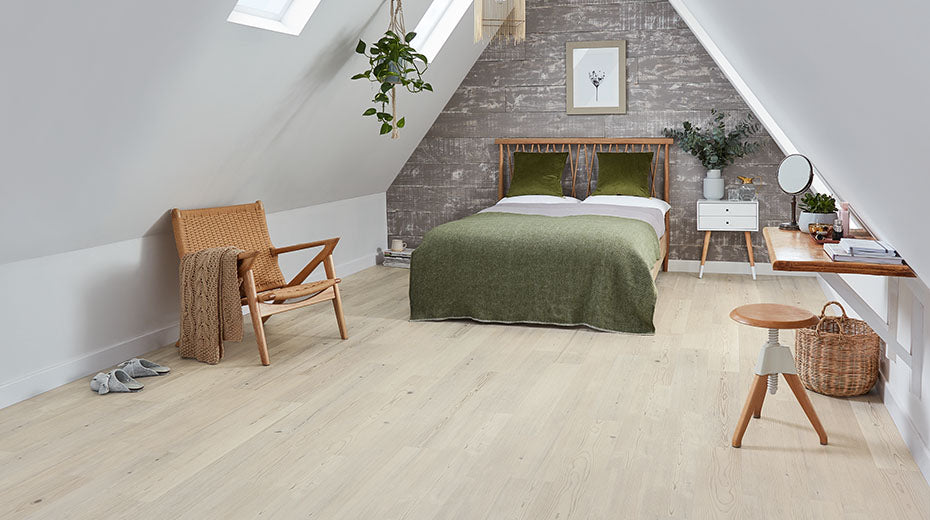
In small rooms, every detail counts, and the flooring is no exception. The right flooring choice can dramatically affect the visual size and feel of the space. For example, light-colored floors tend to reflect more light, making a room appear larger, while dark flooring can create a more cozy but potentially enclosed environment. Additionally, smooth flooring surfaces can make a room feel more expansive, while busy patterns or large tiles might make a small room look even smaller.
Here are some key factors to consider when selecting flooring for small spaces:
Lightness: Choose lighter flooring colors to reflect light and make the space feel brighter and more open.
Texture: Consider smooth or subtle-textured floors to create a sense of flow and reduce visual clutter.
Size of Flooring Planks: Larger planks can make a space feel bigger, while small tiles or patterns can create a more closed-off feel.
Continuity: Using the same flooring throughout the small space can help create a seamless flow, making the room feel more expansive.
Now let’s explore the best flooring materials for creating the illusion of space in small rooms.
1. Light-Colored Hardwood or Engineered Hardwood
Light-colored hardwood floors or engineered hardwood are excellent options for small spaces because they reflect more light, creating the illusion of a larger room. Lighter tones such as oak, maple, or honey-colored woods can make the space feel open and airy, giving your room a fresh, expansive look.
Benefits of Light-Colored Hardwood for Small Spaces:
Reflects Natural Light: Light wood tones reflect natural light, making the room feel brighter and more open.
Timeless Look: Hardwood floors add a sense of elegance and durability to any space.
Easy to Match: Lighter hardwood floors pair well with a variety of design styles and color schemes, making it easy to create a cohesive look.
If you’re looking for durable and stylish options, check out Parma Flooring’s engineered hardwood collection for options that can help maximize your space.
2. Light-Colored Laminate Flooring
Laminate flooring is another great choice for small spaces due to its affordability, durability, and ease of maintenance. Like light hardwood, laminate flooring in lighter shades can help make the room feel more spacious. With a variety of styles that mimic wood, stone, or tile, laminate is a versatile choice for small rooms.
Benefits of Laminate Flooring for Small Spaces:
Affordable: Laminate is more budget-friendly than hardwood but still offers a beautiful appearance.
Durable: Laminate is highly resistant to scratches, stains, and wear.
Easy to Install and Maintain: Laminate is easy to install, making it a great option for DIY home renovations, and it’s easy to clean.
If you’re interested in laminate flooring, consider Parma Flooring’s laminate collection, which offers a variety of colors and finishes perfect for small rooms.
3. Luxury Vinyl Plank (LVP)
Luxury Vinyl Plank (LVP) flooring is a popular choice for small spaces because of its durability, water resistance, and variety of designs. LVP comes in a range of styles that replicate natural materials like wood, stone, or tile perfect for achieving the look of more expensive materials without the cost.
Benefits of LVP Flooring for Small Spaces:
Waterproof: LVP is ideal for kitchens, bathrooms, and basements, which are all common small spaces in homes.
Durability: LVP is highly resistant to scratches, stains, and dents, making it perfect for high-traffic areas.
Variety of Designs: You can get the look of hardwood, tile, or stone without the expense or maintenance.
For a variety of stylish, durable, and waterproof options, explore Parma Flooring’s SPC collection.
How to Choose the Right Flooring for Small Spaces
When choosing flooring for small rooms, there are several factors to keep in mind:
Light Colors: Choose light-colored flooring to reflect light and create the illusion of space.
Large Planks: Opt for larger planks or tiles to reduce seams and create a seamless look that will make the room appear larger.
Easy to Clean: Select materials that are easy to clean and maintain, especially for spaces where spills and messes are common.
Durability: Make sure the flooring you choose is durable enough to withstand wear and tear, especially if the space is high-traffic.
At Parma Flooring, we offer a wide variety of durable flooring options that can help make your small spaces feel bigger and brighter. From SPC flooring to engineered hardwood, we have the perfect flooring solution to suit your home.
Contact us today to get personalized recommendations based on your needs, or request a wholesale inquiry for bulk pricing and options. Our team is here to help you find the perfect flooring solution for your home!
How a Trained Dog Can Help Reduce Stress and Chaos at Home
Welcoming a dog into your home is an exciting and fulfilling experience, but it can also be a bit overwhelming. From potty training to behavior issues, the challenges of a new dog can add unnecessary stress to your daily routine. This is where a fully trained dog makes all the difference. When you adopt a dog that has already been trained, you can bypass many of the common obstacles that new dog owners face, leading to a smoother transition and less stress at home.
At Aly’s Puppy Boot Camp, we believe in giving families the gift of a trained dog one that already understands essential commands, boundaries, and house manners. This helps create a calmer, more enjoyable environment for both you and your dog. Here’s how a trained dog can help reduce stress and chaos in your household.

A Calmer Home Environment
When your dog is trained, they know what to expect in different situations. This means fewer surprises and less stress for both you and your dog. A trained dog is less likely to jump on guests, have accidents indoors, or destroy furniture. With basic obedience commands like “sit,” “stay,” and “leave it,” you can manage your dog’s behavior with ease, reducing the chaos that can often come with a new dog in the home.
Better Communication and Understanding
Training your dog is all about establishing clear communication between you and your furry friend. A well-trained dog understands your cues and responds appropriately, making it easier to manage their behavior. Whether it’s reinforcing a calm demeanor during playtime or teaching them to settle down during quiet moments, a trained dog knows the rules and follows them.
When your dog understands what’s expected of them, it makes your relationship stronger and more enjoyable. With a trained dog, you’re not constantly correcting or guessing what they need—communication becomes effortless.
Reduced Anxiety for Both You and Your Dog
A trained dog brings stability and security to your life. Dogs that are not trained can experience anxiety or confusion, especially in new environments or when facing unfamiliar situations. A well-trained dog, on the other hand, is more confident and less likely to react out of fear or frustration.
For example, when your dog knows how to behave when guests arrive, or understands the routine around meal times, they feel more secure in their environment. This reduces their anxiety, and as a result, it also reduces your stress. The calm behavior your dog exhibits is a direct result of their training, and it creates a more peaceful atmosphere in your home.
More Time for Bonding and Enjoyment
Training a dog requires time and effort, but when you bring home a fully trained dog, you get to skip many of the time-consuming and stressful steps. This means you can spend more time enjoying your dog’s company rather than constantly managing their behavior. You’ll have more time to bond, play, and engage in activities without the stress of constant corrections.
From going on relaxing walks to cuddling on the couch, a trained dog makes every moment more enjoyable and fulfilling.
Improved Routine and Structure
One of the key benefits of a trained dog is that they thrive on routine. A dog that knows when it’s time to eat, play, or go for a walk helps keep your household running smoothly. There’s less guessing, and everything becomes more predictable, which is essential for reducing stress.
Managing Your Dog’s Behavior in Social Situations
Whether you have guests coming over or you’re heading to the park for a playdate, having a trained dog makes social situations much easier. A trained dog knows how to greet visitors politely, behave around other animals, and respect boundaries. This reduces the stress that can arise when your dog acts out in social settings and makes interactions with others more enjoyable for everyone.
A trained dog is more relaxed and more socially acceptable, giving you peace of mind during social gatherings and outings.
Less Stress During Travel or Visits
Traveling with a dog can be stressful, especially if they aren’t used to being in a car, on a leash, or around new environments. A trained dog is far more adaptable to different situations, including travel. They’re comfortable in cars, know how to walk calmly on a leash, and are less likely to become anxious when they’re in new places.
Whether you’re taking a road trip or visiting a family member, having a trained dog by your side makes the experience less stressful for both of you.
The Right Match = Less Stress
One of the biggest sources of stress when bringing home a new dog is the uncertainty of whether they’ll be a good fit for your family. At Aly’s Puppy Boot Camp, we eliminate this stress through our comprehensive matchmaking process. We don’t just train dogs—we study them. We know which dogs thrive in busy households with children, which prefer quieter environments, and which have the energy levels that match different lifestyles. By getting to know you and your family’s specific needs, we can pair you with a trained dog whose natural temperament and personality will seamlessly integrate into your home, reducing stress for everyone from day one.
Conclusion: A Trained Dog = A Stress-Free Home
A fully trained dog can transform your home life by creating a calmer, more enjoyable environment. With a well-trained dog, you’ll experience less stress, better communication, and a more peaceful atmosphere in your household. Whether you’re looking for a dog that’s easy to manage or simply want to enjoy the companionship of a well-behaved best friend, our Trained Dogs offer the perfect solution for families of all kinds.
Ready to make your home a stress-free zone? Explore our Trained Dogs for Sale today and experience the difference a trained dog can make.
How to Help Your Pet Recover from a Traumatic Event: Managing Shock and Stress
Pets, like humans, can experience emotional and physical distress after a traumatic event. Whether it’s an injury, a car accident, a fight with another animal, or exposure to a frightening situation (like a loud noise or natural disaster), pets can suffer from shock and stress. Just like physical wounds, emotional trauma requires care and attention to help your pet recover.
In this blog, we’ll explore how to help your pet recover after experiencing a traumatic event. We’ll discuss how to recognize shock and stress in pets, the best ways to manage them, and when it’s time to seek emergency care for pets.
Understanding Shock and Stress in Pets
Trauma can cause shock and stress, both of which require different forms of care. It’s important to understand the differences between these two reactions and how they affect your pet’s health.
Shock is a physical condition that occurs when the body’s blood flow is reduced to vital organs. Shock can be life-threatening and is often caused by severe injury, trauma, or blood loss. When pets are in shock, their organs don’t receive enough oxygen and nutrients, which can cause organs to begin failing if not addressed quickly.
Stress is a psychological response to trauma. Pets may show signs of stress due to fear, anxiety, or pain. Stress can manifest as physical symptoms like panting, shaking, or excessive grooming, or as behavioral changes like hiding or aggression.
Understanding how shock and stress affect your pet will help you provide the right support during their recovery.
Signs Your Pet is in Shock or Stress
It’s important to recognize when your pet is in shock or experiencing stress so you can take appropriate action. Symptoms of shock include:
Pale or Blue Gums
One of the most common signs of shock is pale or blue-tinged gums. This is caused by a lack of oxygen in the bloodstream and requires immediate veterinary attention.
Rapid Heart Rate or Weak Pulse
Pets in shock may have a rapid or weak heartbeat. Their pulse may be hard to feel, especially if their blood pressure is very low.
Shallow, Rapid Breathing
Pets experiencing shock often breathe rapidly and shallowly. Their breathing may be irregular or labored.
Cold Limbs or Body Temperature
Pets in shock may have cold limbs or a low body temperature. This happens as blood flow is diverted away from the extremities to the vital organs.
Weakness or Collapse
A pet in shock may collapse or appear very weak, unable to stand or move properly. This is a critical sign that immediate care is needed.
Signs of stress in pets include:
Panting or Excessive Salivation
Stress causes pets to pant excessively or drool more than usual. This is often a sign of anxiety or discomfort.
Trembling or Shaking
Physical shaking is a common stress response in pets, especially after a traumatic event.
Hiding or Avoiding Interaction
Stress can cause pets to withdraw from social interactions or retreat to dark, quiet places. They may avoid physical contact or hide under furniture.
Aggression or Acting Out
Some pets respond to stress by becoming aggressive, barking excessively, or biting. This could be a reaction to fear or pain.
Loss of Appetite or Drinking
Stress can lead to a decreased appetite or refusal to drink, which can result in dehydration. If your pet is refusing food or water after a traumatic event, it’s important to address it promptly.
What to Do to Help Your Pet Recover from Trauma
Once you’ve recognized that your pet is experiencing shock or stress, it’s time to take steps to help them recover. Here’s what you can do:
Stay Calm and Keep Your Pet Calm
Pets are highly sensitive to their owners’ emotions, so it’s important to stay calm in order to reassure them. Speak softly and gently, offering comfort and support without overwhelming them.
Ensure Your Pet is Comfortable
Create a calm and quiet environment for your pet to recover in. If your pet is injured, make sure they are in a safe position and avoid moving them excessively. Use a soft blanket or towel to keep them comfortable, especially if they’re cold.
Provide Water and Food (If They’re Willing)
If your pet is able to drink and eat, offer them small amounts of water and a bland diet (such as boiled chicken and rice). If they’re refusing to eat, don’t force them; instead, monitor their hydration levels and keep offering fluids.
Control Bleeding and Provide First Aid
If your pet is physically injured, control any bleeding by applying pressure to the wound with a clean cloth. If the wound is large or deep, avoid touching it and get to a vet as quickly as possible. If your pet has suffered burns, use cool water to gently rinse the area.
Monitor Your Pet for Changes in Condition
Keep a close eye on your pet’s behavior and physical condition. If you notice signs of worsening shock (such as an increased heart rate or difficulty breathing), take your pet to an emergency pet clinic immediately.
Allow Rest and Recovery Time
After a traumatic event, your pet will likely need plenty of rest. Avoid excessive activity or stimulation, and allow your pet to relax and recover in a quiet area.
When to Seek Emergency Care for Pets
While some pets may recover from shock and stress with at-home care, others may require immediate medical attention. Seek emergency care for pets if:
Your pet’s gums are pale or blue, indicating poor blood circulation.
Your pet is experiencing labored or rapid breathing, or has a weak or irregular pulse.
They are unable to stand, move, or seem unresponsive to you.
Your pet has been severely injured or shows signs of internal bleeding.
Your pet’s symptoms persist or worsen despite your efforts to help them.
Your pet is not eating, drinking, or showing signs of recovery.
North MS Pet Emergency is here to provide expert care when your pet is experiencing shock, stress, or physical trauma. Whether your pet has been in an accident, has developed complications after surgery, or is recovering from emotional distress, our team is ready to offer the immediate care they need.
Contact Us Now for immediate care, or visit us for emergency pet care after hours.
Conclusion
Helping your pet recover from a traumatic event requires patience, attention, and a calm environment. Shock and stress are serious conditions that need proper care, and recognizing the symptoms early can improve the outcome for your pet. Whether your pet is dealing with physical injuries or emotional trauma, providing comfort, monitoring their recovery, and seeking immediate medical care when necessary is crucial to helping them get back to their normal, healthy self.
At North MS Pet Emergency, we are dedicated to offering urgent pet care for all types of emergencies, ensuring that your pet receives the care they need to heal physically and emotionally.
How to Properly Maintain Your Windows for Longevity
Windows are one of the most important components of your home, offering not only natural light and ventilation but also adding to your home’s aesthetic appeal and energy efficiency. Properly maintaining your windows is essential to ensure their longevity, functionality, and performance over time. Well-maintained windows not only look great but also contribute to energy savings by improving insulation and preventing drafts.

In this blog, we’ll walk you through essential window maintenance tips that will help prolong the life of your windows and keep them in top condition. From cleaning to sealing, proper window care can make a significant difference in maintaining their quality and performance.
Why Window Maintenance is Important
Your windows are exposed to weather elements such as rain, snow, UV rays, and fluctuating temperatures. Over time, this can cause wear and tear, affecting both their aesthetic appeal and functionality. Regular maintenance helps prevent damage, reduces the need for costly repairs, and ensures that your windows continue to provide energy efficiency and comfort throughout the year.
Proper window care involves cleaning, inspecting, and addressing any issues before they become major problems. Let’s dive into the best practices for maintaining your windows to ensure they stand the test of time.
1. Regular Cleaning of Your Windows
One of the simplest and most effective ways to maintain your windows is by cleaning them regularly. Dirty windows can accumulate dust, dirt, grime, and water stains, which not only diminish their appearance but can also lead to long-term damage if left untreated.
How to Clean Your Windows:
Use the right cleaning solution: For most window types, a simple solution of mild dish soap and water works best. You can also use a specialized glass cleaner.
Use a microfiber cloth: Always use a soft, lint-free microfiber cloth or sponge to wipe down your windows. This will help avoid scratches and ensure a streak-free shine.
Clean both sides: Don’t forget to clean the outside of your windows. For hard-to-reach areas, use an extendable cleaning tool or hire a professional window cleaning service.
Dry the glass: After cleaning, make sure to dry the window properly to avoid water spots and moisture buildup.
Best for:
Improving curb appeal
Maintaining the appearance of your windows
Preventing grime and mold buildup
Check out our window cleaning tips for more information on how to keep your windows sparkling clean.
2. Inspecting and Sealing Window Frames
Over time, the seals around your windows can deteriorate, allowing air and moisture to enter. Drafty windows can lead to heat loss, higher energy bills, and moisture damage to the surrounding areas. Regularly inspecting and resealing your windows is essential to maintaining their energy efficiency and insulation.
How to Inspect and Seal Windows:
Inspect the caulking: Check the caulking around the window frame for any cracks or gaps. If you find any, remove the old caulk and apply a new weather-resistant sealant.
Inspect the weatherstripping: Weatherstripping helps prevent drafts by sealing gaps around the window sashes. If you notice any damaged weatherstripping, replace it promptly to keep your home well-insulated.
Check for condensation: If you notice condensation between the panes of your double-glazed windows, it may be time to replace the window seal or the entire window unit.
Best for:
Improving energy efficiency
Sealing air leaks to prevent drafts
Keeping your windows weather-tight
Explore our window solutions for improved energy efficiency and comfort in your home.
3. Lubricating Window Hardware
For casement windows, sliding windows, and other window types with mechanical components, it’s important to lubricate the moving parts to ensure smooth operation. Stiff or squeaky windows can be frustrating, and if left untreated, the hardware can wear out and cause functional issues.
How to Lubricate Window Hardware:
Use a silicone lubricant: Spray a silicone-based lubricant on the hinges, tracks, and locks to keep them operating smoothly.
Avoid using grease-based lubricants, as they can attract dirt and debris, which can cause further damage.
Check for debris: Clear any dirt, leaves, or other debris from window tracks to ensure smooth sliding and prevent any blockage.
Best for:
Ensuring smooth operation of sliding windows and casement windows
Preventing rust and wear on window hardware
Extending the lifespan of window mechanisms
4. Maintaining Window Glass
While cleaning your window glass is important for aesthetics, it’s also essential to maintain the glass to prevent damage from the elements. Window glass can crack, chip, or become cloudy over time, especially in areas with harsh weather conditions.
How to Maintain Window Glass:
Avoid harsh chemicals: Never use abrasive cleaning pads or harsh chemicals that could scratch or damage the glass surface.
Check for cracks: Inspect your window glass regularly for cracks or chips. Even small cracks can expand over time, compromising the structural integrity of your window.
Protect your glass: In areas with high winds or storms, consider installing storm windows or protective films to safeguard your windows.
Best for:
Extending the lifespan of your window glass
Keeping your windows looking clear and unobstructed
Protecting against damage from weather
5. Professional Window Maintenance
While regular cleaning and sealing can go a long way in maintaining your windows, there are times when professional maintenance is necessary. If you have double-glazed windows, specialty windows, or large window installations, it may be worthwhile to have them inspected by a professional to ensure they remain in good condition.
Best for:
Specialty windows that require expert care
Window replacements for energy efficiency
Professional maintenance for large or hard-to-reach windows
Final Thoughts: Keep Your Windows in Top Condition for Long-Term Performance
Windows are a crucial part of your home’s overall design and functionality. By regularly cleaning your windows, inspecting the seals, and maintaining the hardware, you can ensure that your windows remain in top condition for years to come. Proper window care not only enhances the appearance of your home but also helps reduce energy costs and ensures comfort year-round.
Ready to Get Started?
Take care of your windows and improve their longevity with our window solutions. Contact us today for more information on window installations, energy-efficient options, or to place a bulk order. If you want to ensure you’re choosing the best windows for your home, feel free to request a sample today!